

05 Feb Sustainability as a Design Principle in Tourism
The tourism sector has a growing responsibility to be more sustainable, and architecture can be a major driver of this change. Building in sensitive natural environments, like the Arctic, requires a design approach that minimizes impact and respects the surroundings. This is a core principle in our work on projects like the Glass Resort, where sustainable tourism is not just a buzzword, but a key part of the design process.
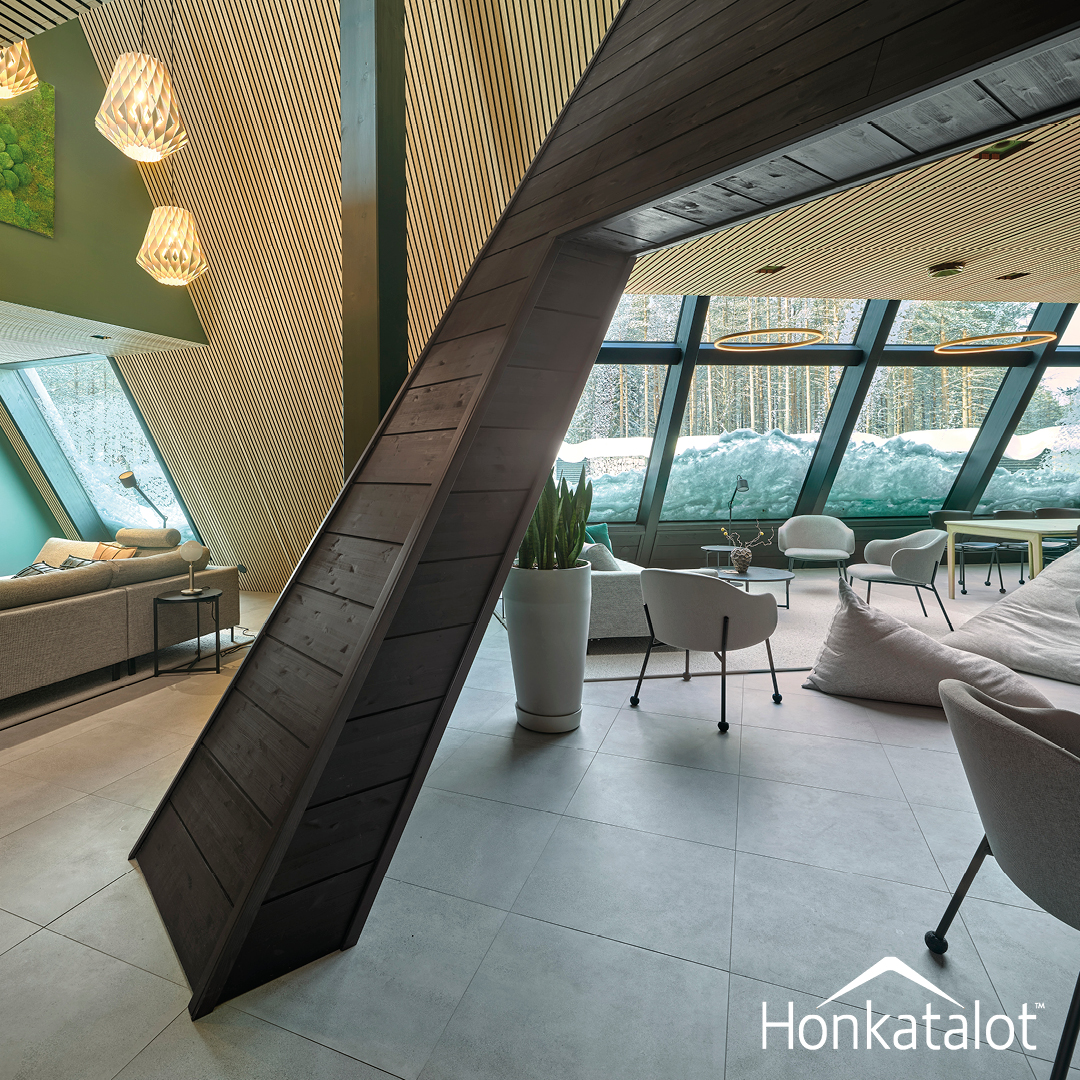
Our approach focuses on creating structures that are both energy-efficient and low-impact. This means using materials that are durable and well-insulated to withstand extreme cold, reducing the need for excessive heating. The buildings are designed to be compact and efficient, allowing them to coexist with the landscape rather than dominate it. For example, the design of the Glass Resort’s lodges maximizes their efficiency while providing stunning views. This kind of eco-friendly architecture is essential for a destination where the natural environment is the main attraction. It shows that by making thoughtful design choices, it’s possible to create profitable and memorable tourism experiences that are also responsible and respectful of the planet.